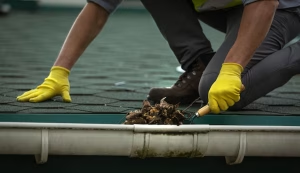
Downpipes are a critical component of any home’s water management system. They channel rainwater from gutters safely away from your roof and foundation, preventing water damage, damp walls, and structural issues. In Sydney, homeowners face unique challenges due to heavy rainfall, seasonal storms, leaf accumulation, and coastal salt air, which can all contribute to downpipe blockages and leaks.
Ignoring these issues can lead to expensive repairs, foundation damage, and long-term structural problems. Fortunately, many common downpipe issues can be identified and resolved with a combination of DIY techniques, routine maintenance, and professional support. This guide will explore the most common problems, how to fix them, and strategies for prevention, ensuring your home stays safe and dry all year round.
Identifying Blocked Downpipes
Blocked downpipes are one of the most frequent issues Sydney homeowners encounter. Left untreated, they can cause overflowing gutters, water pooling around the foundation, and even damp or mould inside the home.
Symptoms of Blockages
- Overflowing gutters: Water spilling over during rain is a clear sign of a blockage.
- Pooling water: Standing water near downpipes or around the house indicates poor drainage.
- Unusual drainage sounds: Gurgling or bubbling noises can signal trapped debris inside the downpipe.
DIY Inspection Steps
- Safely access gutters with a stable ladder and wear gloves.
- Look for visible debris such as leaves, twigs, or nests.
- Use a garden hose to flush water through the downpipe. If water backs up, the pipe is blocked.
- Check for any rust or damage on pipe surfaces.
Common Blockages
- Leaves and twigs: Accumulate from nearby trees, especially in autumn.
- Bird or rodent nests: Small animals sometimes make homes in downpipes.
- Dirt and sediment: Over time, debris builds up at pipe bends or joints.
Safety Tips
Always ensure ladder stability, avoid leaning over gutters, and consider using safety harnesses when working on multi-storey roofs.
Fixing Downpipe Blockages
Once a blockage is identified, it’s important to clear it safely to prevent damage to your gutters or pipes.
Step-by-Step Blockage Removal
- Wear gloves and protective eyewear.
- Remove surface debris by hand or with a soft brush.
- Use a garden hose to flush water through the pipe.
- For stubborn blockages, a flexible rod, plumber’s snake, or water jet may be used.
- Avoid harsh chemicals unless recommended by a professional, as they can damage pipes.
Preventative Strategies
- Install gutter guards or leaf screens to reduce debris accumulation.
- Trim overhanging tree branches near the roof.
- Conduct seasonal inspections, especially after autumn and spring.
DIY methods work well for minor blockages, but persistent or severe clogs may require professional tools or expertise.
Fixing Leaks in Downpipes
Leaks are another common problem that can cause extensive water damage if left untreated.
Common Leak Locations
- Joints and bends: These areas are prone to loosening or developing small gaps.
- Cracks in pipes: Age, impact, or temperature changes can cause cracks.
- Gutter connections: Improperly sealed connections allow water to escape before reaching the ground.
Repair Methods
- Sealing small leaks: Use silicone sealant or waterproof epoxy.
- Replacing sections: Cut out damaged pipe segments and attach new ones using appropriate connectors.
- Check for water damage: Look for damp patches on walls, mould growth, or erosion around the foundation.
Ignoring leaks can lead to costly repairs, including structural damage and mould remediation. Real-life examples in Sydney show that a single neglected leak can escalate into thousands of dollars in repairs if left unchecked.
Preventing Water Damage
Downpipes play a vital role in keeping water away from your home. Faulty or blocked pipes can lead to serious consequences:
- Foundation issues: Constant water pooling can erode soil and destabilise foundations.
- Damp walls and interiors: Leaks can seep into walls, causing staining, mould, and damage to plaster or paint.
- Long-term structural damage: Persistent water exposure weakens wood framing and building materials.
Preventative Tips
- Inspect and clean downpipes before and after the wet season.
- Ensure proper slope and alignment of pipes.
- Install splash blocks or drainage extensions to channel water further away from the home.
Proactive maintenance is far cheaper than fixing water damage after it occurs.
Maintenance Tips for Downpipes
Routine maintenance is key to keeping downpipes working efficiently.
Recommended Cleaning Schedule
- Spring and autumn: Major debris removal after pollen-heavy or leaf-fall seasons.
- Monthly checks: Quick visual inspections for minor blockages or damage.
Tools & Materials
- Gloves, ladder, and safety harness
- Soft brush or gutter scoop
- Garden hose or water jet for flushing
- Silicone sealant or epoxy for minor repairs
Maintenance Log
Keeping a record of inspections and cleanings helps track recurring issues and ensures timely repairs. This is especially useful for multi-storey homes or homes in tree-dense areas.
Emergency Repairs & When to Call Professionals
Some problems require immediate professional attention:
- Severe blockages causing water to overflow dangerously.
- Major leaks that threaten structural integrity.
- Damaged or corroded pipes beyond DIY repair.
Hiring licensed downpipe repair specialists in Sydney ensures:
- Safe, efficient repairs without risk of injury.
- Proper sealing and alignment, preventing repeated issues.
- Compliance with building codes and warranties.
Professional intervention often saves money in the long run by avoiding costly water damage.
Seasonal & Weather Considerations
Sydney’s climate affects downpipe performance throughout the year:
- Heavy rainfall: Can exacerbate blockages and reveal leaks.
- Storms or hail: Inspect downpipes after events for cracks, dents, or debris.
- Summer heat: Can cause plastic pipes to expand, sometimes loosening connections.
- Winter frost: In rare cases, may cause minor cracks in older PVC pipes.
Regular inspections after extreme weather and preparation before seasonal changes help avoid emergencies.
Conclusion
Downpipes are essential for protecting your home from water damage, and timely maintenance is critical in Sydney’s climate. By identifying blockages, fixing leaks, performing regular inspections, and calling professionals when needed, homeowners can safeguard their property and prevent expensive repairs.
Don’t wait until water damage occurs. Schedule a licensed downpipe repair professional in Sydney today to ensure your home stays safe, dry, and well-maintained.
Frequently Asked Questions (FAQs)
Can I fix a downpipe myself?
Minor blockages and leaks can be managed with DIY tools, but severe clogs or damaged pipes should be handled by professionals.
How often should I inspect gutters and downpipes?
Perform monthly visual checks and seasonal cleanings, particularly after autumn leaf fall and spring pollen season.
What’s the average cost for professional repairs?
Costs vary depending on the extent of damage, typically $150–$500, with emergency services costing more.
How do I prevent leaves and debris from blocking downpipes?
Install gutter guards, leaf screens, and trim nearby trees. Regular inspections also prevent accumulation
What happens if I ignore downpipe issues?
Ignored problems can lead to water damage, mould, damp walls, foundation erosion, and costly repairs.