Introduction
Over the past decade, solar energy adoption in Sydney has grown rapidly, with more households turning to rooftop solar panels as a reliable way to reduce electricity bills and contribute to a greener future. As more Sydneysiders embrace solar energy, it becomes increasingly important to maximise the efficiency of these systems to ensure homeowners get the best return on their investment.
One often-overlooked factor that can significantly affect a solar system’s performance is cleanliness. Dirt, dust, bird droppings, pollen, and other debris can build up on solar panels over time, leading to reduced energy output and higher electricity costs. While it’s tempting to rely on rainfall to keep panels clean, accumulated debris can stay on your panels for months, lowering efficiency and potentially causing damage.
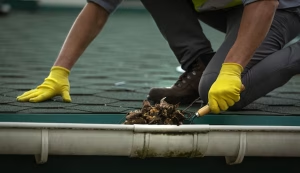
Interestingly, roof and gutter maintenance is closely linked to solar panel performance. Blocked gutters or mossy roofs can spill debris onto panels, adding to the cleaning challenge. In this guide, we’ll explore why clean solar panels matter, how to spot when they need attention, and the best methods to maintain them safely and effectively in Sydney.
Why Solar Panel Cleanliness Matters
Solar panels convert sunlight into electricity through photovoltaic cells. For them to function efficiently, sunlight must reach the surface of the panels unobstructed. Even a thin layer of dirt or grime can block sunlight, reducing energy output.
- Studies show that dirty panels can lose anywhere from 5% to 25% of electricity output, depending on the amount and type of debris.
- Sydney’s climate introduces unique challenges. Dust storms, high pollen seasons, and heavy rainfall can all contribute to buildup on panels.
- In some cases, excessive grime has caused panels to overheat, potentially reducing their lifespan.
Real-world examples from Sydney households have demonstrated that a single cleaning session can restore lost efficiency of up to 20%, highlighting how significant this issue is.
Common Causes of Dirty Solar Panels
Understanding why your panels get dirty is the first step to effective maintenance. Common causes include:
Environmental Factors
- Dust, dirt, and airborne pollution can settle on panels over time.
- Leaves from nearby trees often accumulate on roof edges, spilling onto panels.
Bird Droppings and Nests
- Birds are a frequent culprit, particularly in suburban areas with abundant trees.
- Droppings are not only unsightly but also acidic, potentially damaging panel surfaces.
Rainwater Isn’t Always Enough
- Sydney’s rainfall often isn’t heavy enough to fully clean panels.
- Light showers may remove some dust but leave stubborn debris behind.
Nearby Construction or Neighbourhood Activity
- Dust and particles from construction sites can settle on panels.
- Regular cleaning is essential in areas with frequent building activity.
Signs Your Solar Panels Need Cleaning
Homeowners should monitor their systems for signs of reduced efficiency. Key indicators include:
- Reduced electricity production compared to typical output.
- Visible dirt, smudges, or stains on panel surfaces.
- Uneven energy output across different panels.
- Alerts from solar monitoring systems, if installed.
- Increased electricity bills, which may indicate your panels are not operating optimally.
Paying attention to these warning signs can help prevent prolonged inefficiency and potential damage.
DIY vs Professional Cleaning
DIY Cleaning
If you choose to clean your panels yourself:
- Use soft brushes, low-pressure water, and non-abrasive cleaners.
- Avoid high-pressure washers or harsh chemicals, which can scratch or damage panels.
- Always follow roof safety protocols to prevent falls or electrical hazards.
- Recommended cleaning frequency: 2–4 times per year, depending on environmental conditions.
Professional Cleaning
Hiring professionals has several advantages:
- They ensure safety and efficiency, especially for multi-storey homes.
- Professionals use eco-friendly cleaning solutions and tools that protect panel surfaces.
- While there is a cost, the long-term benefits include restored efficiency, prolonged lifespan, and reduced energy bills.
Many Sydney households find that the time, safety, and performance benefits outweigh the cost of hiring experts.
Connection Between Roof, Gutters, and Solar Panels
Blocked gutters and poorly maintained roofs can contribute to panel dirt.
- Debris from gutters can spill onto panels during rain or storms.
- Roof moss, algae, and leaves can accumulate near panels, creating additional cleaning needs.
- Preventive maintenance, such as regular gutter cleaning and roof inspections, helps reduce solar panel dirt.
- Consider a seasonal schedule for inspections, ideally before and after the high pollen and autumn leaf seasons.
Eco-Friendly Cleaning Methods
For environmentally conscious households, consider:
- Avoiding harsh chemicals that could harm plants or water systems.
- Using biodegradable soaps and water-saving techniques.
- Employing low-impact tools, such as soft brushes or microfiber cloths, instead of abrasive materials.
These methods not only protect the environment but also prevent damage to the panels, ensuring maximum efficiency.
Energy and Cost Benefits of Clean Solar Panels
Keeping panels clean offers multiple benefits:
- Improved electricity output, with efficiency gains of up to 20% reported in Sydney.
- Reduced electricity bills, directly impacting household savings.
- Prolonged solar panel lifespan, reducing the need for costly replacements.
- Potential increase in property value, as well-maintained solar systems are attractive to buyers.
Regular cleaning can therefore be seen as a long-term investment in your home and energy efficiency.
Inspection Checklist for Homeowners
A simple checklist helps homeowners monitor panel health:
- Check panels for visible dirt, stains, or bird droppings.
- Inspect wiring, mounts, and connectors for damage.
- Monitor energy output for inconsistencies.
- Schedule regular cleaning based on environmental conditions.
- Call a professional if you notice persistent dirt, damage, or safety concerns.
Seasonal Considerations in Sydney
Sydney’s climate affects cleaning schedules:
- Autumn: Falling leaves and pollen require pre-cleaning.
- Winter: Rain may partially clean panels but debris can remain.
- Spring/Summer: Dust, pollen, and storms can accumulate dirt rapidly.
Adjusting cleaning frequency according to season ensures consistent efficiency year-round.
Common Mistakes to Avoid
Avoid these pitfalls:
- Using abrasive tools or high-pressure washers, which can damage panels.
- Ignoring roof safety protocols, risking injury.
- Overlooking gutter and roof debris, which can quickly dirty panels again.
- Relying solely on rainwater to clean panels.
Proper knowledge and safe practices are essential for effective maintenance.
Case Studies / Real-Life Examples
Example 1: A Sydney household with panels coated in pollen and dust noticed a 15% drop in output. After professional cleaning, energy production returned to expected levels, saving hundreds in electricity bills over a year.
Example 2: A DIY approach using a soft brush and water improved output, but uneven cleaning left some panels less efficient, highlighting the benefits of professional, thorough cleaning.
These examples demonstrate the tangible benefits of regular maintenance and professional intervention.
Conclusion
Maintaining clean solar panels in Sydney is crucial for energy efficiency, cost savings, and system longevity. By inspecting panels regularly, using safe and eco-friendly cleaning methods, and addressing issues promptly, homeowners can maximise the benefits of their solar investment.
Whether opting for DIY cleaning or hiring a professional service, the key is consistent and careful maintenance. For those looking for convenience, safety, and the best results, professional solar panel cleaning services in Sydney are a smart, eco-friendly choice.
FAQ’s
How often should solar panels be cleaned in Sydney?
In Sydney, it’s generally recommended to clean solar panels 2–4 times per year, depending on environmental factors such as pollen seasons, nearby trees, dust storms, and construction activity. Homes located near busy roads, coastal areas, or building sites may require more frequent cleaning to maintain optimal energy output.
Does rain clean solar panels effectively?
While rainfall can wash away loose dust, it usually does not remove stubborn debris like bird droppings, pollen buildup, or sticky grime. Light showers may actually leave residue behind. Relying solely on rainwater can result in reduced panel efficiency over time.
How much energy can dirty solar panels lose?
Dirty solar panels can lose anywhere from 5% to 25% of their energy output, depending on the level of buildup. In Sydney households, professional cleaning has restored efficiency by up to 20%, leading to noticeable reductions in electricity bills.
Is it safe to clean solar panels yourself?
DIY cleaning can be safe if proper precautions are taken. Homeowners should use soft brushes, low-pressure water, and non-abrasive cleaning solutions, and always follow roof safety guidelines. However, for multi-storey homes or difficult roof access, hiring a professional is strongly recommended to avoid injury or panel damage.
Can dirty solar panels cause long-term damage?
Yes. Accumulated debris such as bird droppings and moss can cause surface damage, hotspots, or overheating, potentially shortening the lifespan of your solar system. Regular cleaning and roof/gutter maintenance help prevent costly repairs and ensure long-term system performance.